
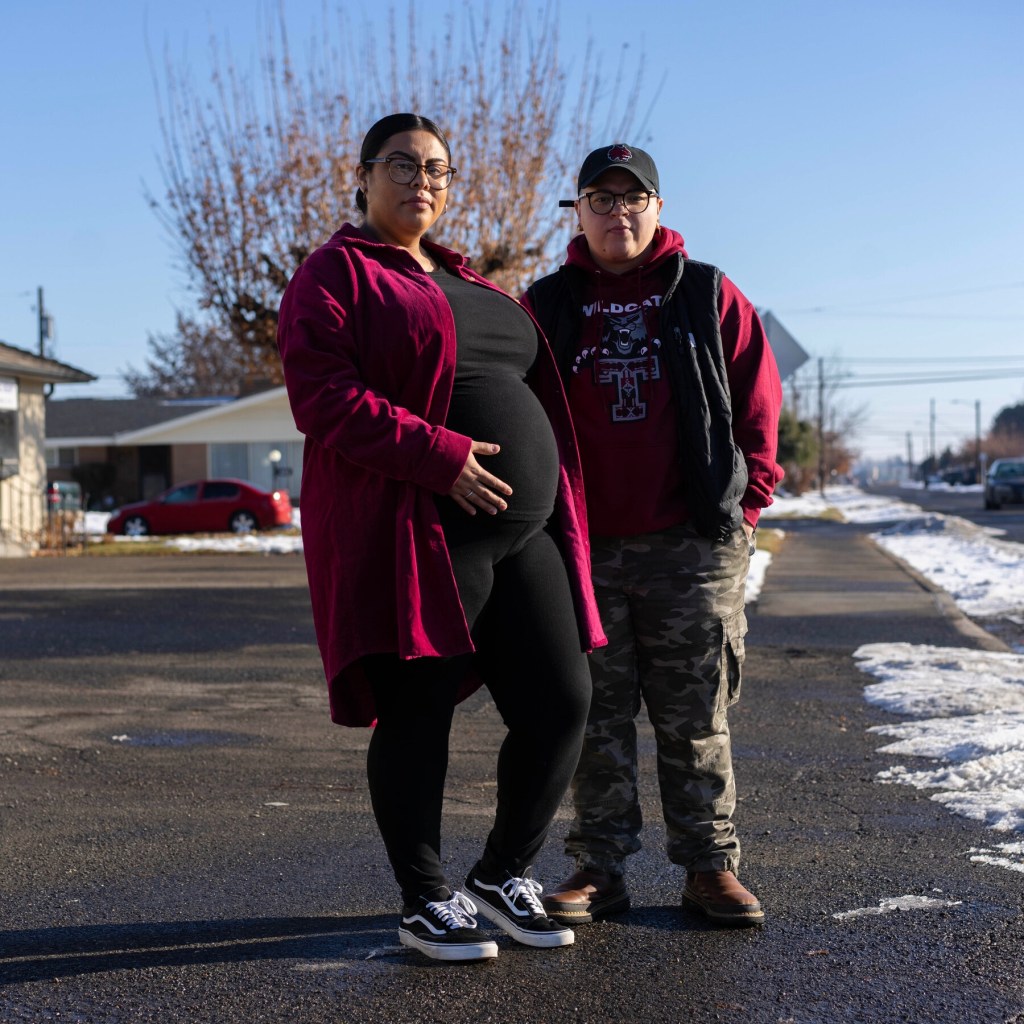
TOPPENISH, Wash. — Three days before Christmas, the only hospital in this remote city on the Yakama Indian Reservation abruptly closed its maternity unit without consulting the community, the doctors who delivered babies there or even its own board….
Astria Toppenish Hospital is one of a string of providers across the nation that have stopped providing labor and delivery care in an effort to control costs — even as maternal deaths increase at alarming rates in the United States, and as more women develop complications that can be life-threatening.
The closure in Toppenish mirrors national trends as financially strained hospitals come to a harsh conclusion: Childbirth doesn’t pay, at least not in low-income communities….
In the past year, the closures appear to have accelerated, as hospitals from Maine to California have jettisoned maternity units, mostly in rural areas where the population has dwindled and the number of births has declined.
Women in rural areas face a higher risk of pregnancy-related complications, according to a study by the Commonwealth Fund. Those living in so-called maternity care deserts are three times as likely to die during pregnancy and the critical year afterward as those who are closer to care, according to a study of mothers in Louisiana.
Ambulances aren’t reliable in many rural areas like the Yakama reservation, which spreads over a million acres. There aren’t many emergency vehicles, and the vast distances make for long waits. In the fall and winter, dense fog often blankets the roads, making driving treacherous….
A Downward Spiral
The United States is already the most dangerous developed country in the world for women to give birth, with a maternal mortality rate of 23.8 per 100,000 live births — or more than one death for every 5,000 live deliveries.
Recent figures show that the problems are particularly acute in minority communities and especially among Native American women, whose risk of dying of pregnancy-related complications is three times as high as that of white women. Their babies are almost twice as likely to die during the first year of life as white babies.
Women of color are more likely to live in maternity care deserts or in communities with limited access to care. According to the March of Dimes, the maternal health nonprofit, seven million women of childbearing age reside in counties where there is no hospital-based obstetric care, no birthing center, no obstetrician-gynecologist and no certified nurse midwife, or where those services are at least a 30-minute drive away….
In wealthier communities, private insurance helps offset low Medicaid payments to hospitals. But in rural areas where poverty is more entrenched, there are too few privately insured patients….
Astria Toppenish’s patients are a particularly vulnerable population that includes a large community of farm workers who toil in the Yakima Valley vineyards, orchards and hops fields.
So many children come from low-income homes that local schools provide free lunch. Patients often struggle to come up with gas money to go to doctor’s appointments. Chronic diseases that complicate pregnancy — like diabetes, heart disease and substance abuse — are common.
“They are poor in spite of working hard,” said Dr. Jordann Loehr, an obstetrician who works at the Yakima Valley Farm Workers Clinic.
 Connect the Dots 101
Leave a comment