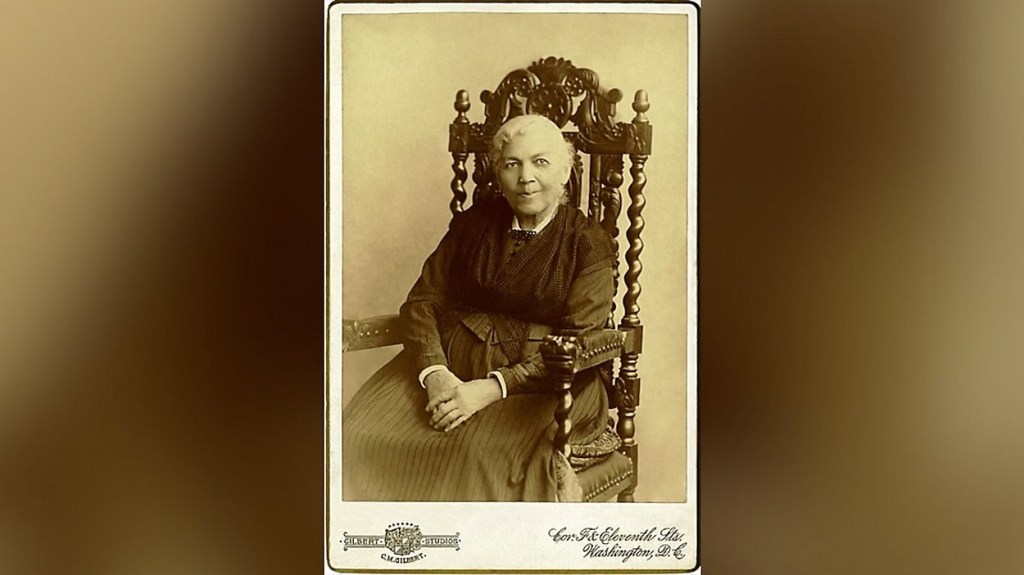
Author, Abolitionist, & Freedom Seeker
Toward the western end of Clethra Path is the gravesite of Harriet Jacobs, who is buried with her brother John Jacobs (1815 – 1873), and her daughter Louisa Jacobs (1833 – 1917). Raised in Edenton, North Carolina, Harriet and John Jacobs were born to Delilah Horniblow and Elijah Jacobs, a carpenter. Jacobs recalled a happy early childhood. “[We] lived together in a comfortable home; and though we were all slaves, I was so fondly shielded that I never dreamed I was a piece of merchandise . . . .”[1].
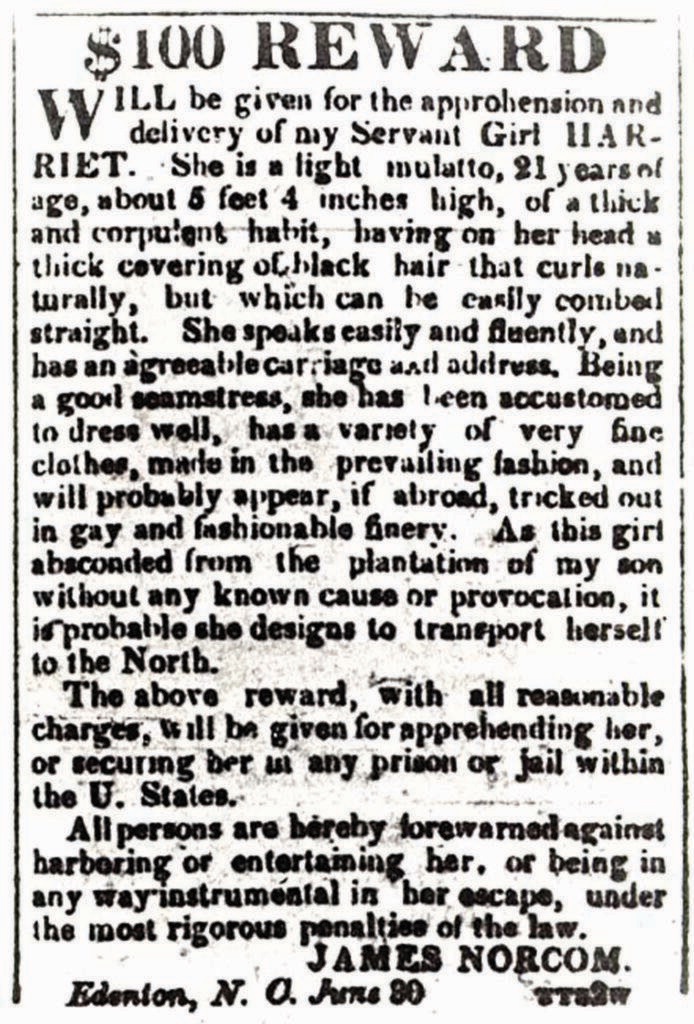
“In 1861, with the encouragement of the abolitionist Amy Post, she published a narrative Incidents in the Life of a Slave Girl under the pseudonym Linda Brent. Many thought Lydia Maria Child, the book’s editor, was its author as they could not believe that someone born into slavery could write such articulate prose. Incidents in the Life of a Slave Girl garnered a reputation as one of the most highly regarded autobiographical accounts of an enslaved woman in the antebellum South.”
https://www.mountauburn.org/notable-residents/harriet-jacobs-1813-1897/
(3/2/25)
 Connect the Dots 101
Leave a comment