
“The Department of Justice (DOJ), Department of Health and Human Services (HHS), Department of Education (ED), and the U.S. General Services Administration (GSA) announced the immediate cancelation of approximately $400 million in federal grants and contracts to Columbia University due to the school’s continued inaction in the face of persistent harassment (sic) of Jewish students.”
This notwithstanding the inability of Columbia University’s Task Force on Antisemitism to provide a coherent distinction between antisemitism and anti-Zionism—which is a political ideology.
More recently the Trump administration has demanded a) control of Columbia’s Middle Eastern, South Asian, and African Studies Department, b) control of its undergraduate admissions, international recruiting, and graduate admissions practices, and c) that it adopt an as yet-to-be-determined definition of “antisemitism” as well as new policies for student discipline.
Questions:
1) The First Amendment protects political speech. By what definition is the criticism of the domestic and foreign policies of a foreign power—Israel—not political speech, particularly inasmuch as those same views are held by opposition parties within Israel as well as by Jewish civil organizations and religious authorities and by Jews both here and abroad?
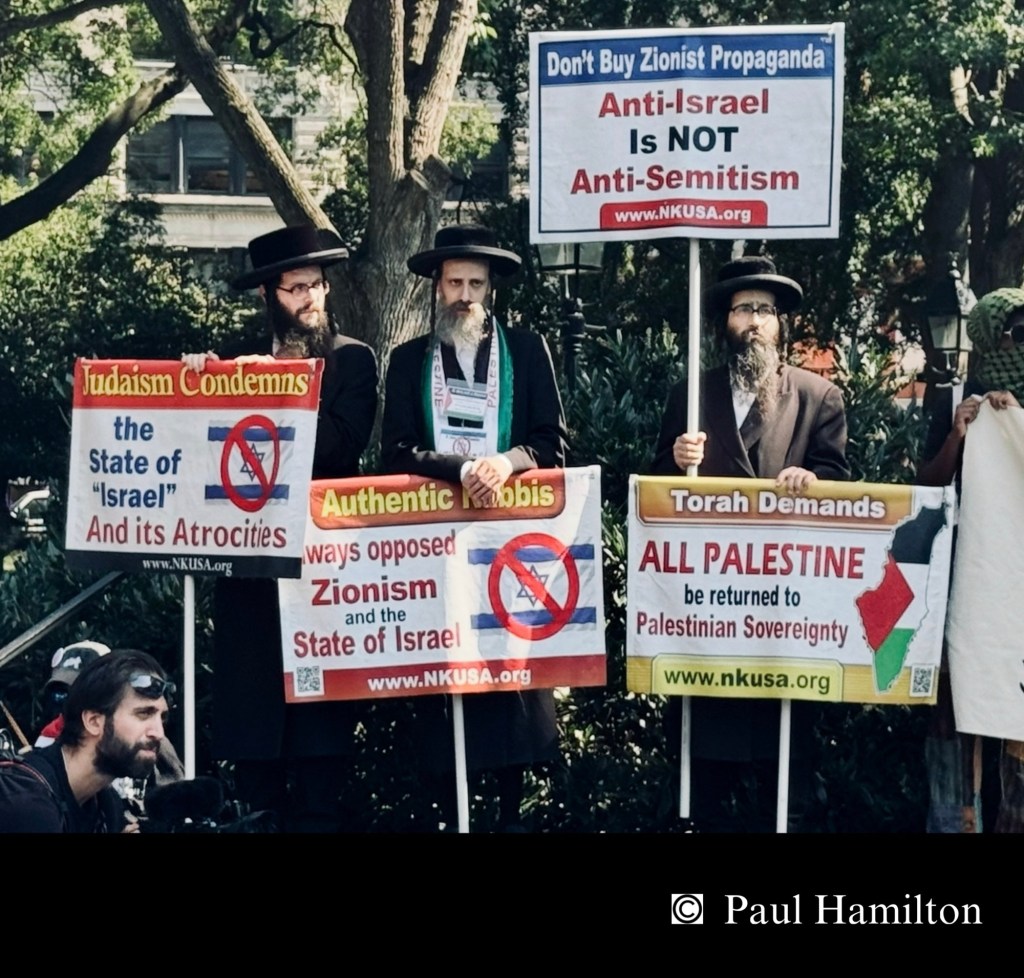
2) Do these protections and prohibitions apply to other students and other states as well? Palestinian activist Khalil Mahmoud was unable to get protection from authorities at Columbia despite credible and significant threats of personal violence against him which ultimately resulted in his unlawful detention and the threat of his deportation. What other states accused of human rights violations are protected against Americans exercising their First Amendment rights?
3) By what authority is the federal government the arbiter of what constitutes the “harassment” of Jewish students on campus? Would not that responsibility fall to the university and to local law enforcement authorities?
 Connect the Dots 101
Leave a comment